
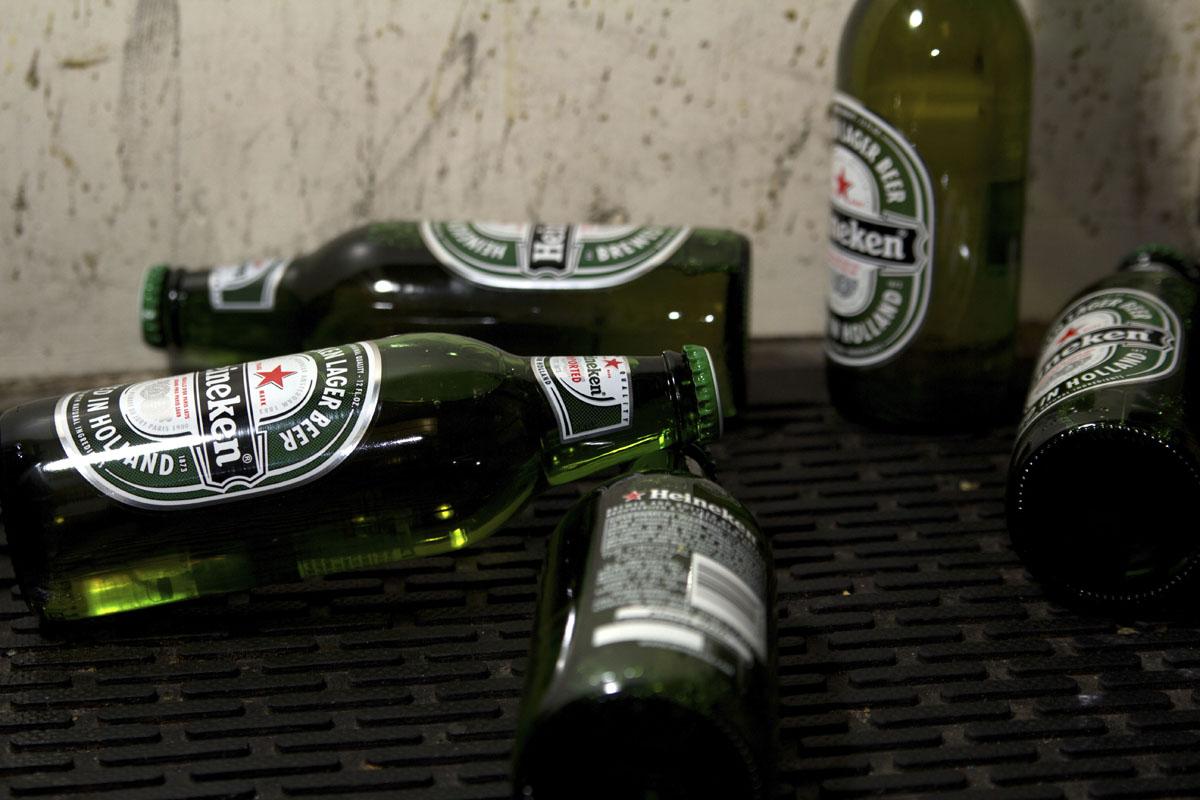
For those who drink, moderation is key
USU has a zero-tolerance policy for underage drinking, but once students are of age, university policy is recommended they follow specific guidelines to drink moderately and safely.
Ryan Barfuss, prevention specialist for the Student Wellness Center, teaches the zero-one-two-three guidelines to stay at low risk for health complications later in life, such as cirrhosis of the liver.
He said those who are underage, pregnant, working or designated driver should not drink — the zero guidline.
“There are certain times and places where you shouldn’t drink,” Barfuss said. “I want students or anyone else to stay away from the health and impairment risks of alcohol.”
By drinking only one alcoholic beverage or less an hour — the one guideline — he said students stay at a low risk for health risks.
“The body processes a half ounce of alcohol in an hour,” he said. A half ounce of alcohol is a 12-ounce beer, 5 ounces of wine or half an ounce of hard liquor, such as whiskey and vodka.
Barfuss said people should drink no more than two drinks in a setting and no more than three in a day.
“I think people should be respectful of others no matter what their choices are,” said Kristen Brough, who studies social work at USU but is currently taking a semester a off. “I think it is more wise to wait till you are the legal age.”
Brough said she doesn’t drink but thinks it is a personal choice for those who choose to, and nobody should be pressured.
Amanda Roman, a University of Utah graduate with a degree in environmental and sustainability studies, said she grew up with parents who let her drink a glass of wine during the holidays and also taught her how to be responsible while drinking.
“I feel like growing up in Utah, (the culture) labels drinking as taboo and that those who drink are bad, unsuccessful and make poor decisions,” Roman said. “Instead of projecting that image, we should focus on teaching kids how to be responsible. We should at least educate them on how to be safe.”
Vanessa Hardman said she doesn’t drink, but alcohol is readily accessible for her. When she was a freshman at USU, Hardman said she had no idea how easily she could’ve found alcohol if she had the desire.
“I was really naïve,” said Hardman, a USU alumna who majored in entrepreneurship. “I just figured it was against the law, so it didn’t happen.”
Later her roommate introduced her to the local college party scene — something she was not accustomed to — and she was surprised at the amount of drinking she witnessed, she said.
“I was amazed at how prevalent drinking — especially underage drinking — was,” she said.
Hardman said she thinks many students go through college not realizing how accessible alcohol is, but she also said if students want to ignore it they would never know, or need to know.
USU has made headlines in the past for its actions taken against students and organizations who violate campus alcohol-consumption rules.
Underage and high-risk drinking are a common problem, despite USU’s dry-campus policy, according to the university’s website.
“If you are of age and choose to drink moderate amounts of alcohol responsibly, it can contribute to your social experience,” the USU website states.
Fraternities and sororities often receive criticism for having alcohol at their events — including an October 2011 underage-drinking incident that led to the hospitalization of a 17-year-old girl for alcohol poisoning. The Pi Kappa Alpha fraternity was also suspended for a while.
In 2008, USU student Michael Starks died from alcohol poisoning while rushing the now-defunct Sigma Nu fraternity. Chi Omega, a former USU sorority, was also dissolved after the incident because some of its members were implicated in the buying and supplying of the vodka that killed the 18-year-old.
Some students don’t have a problem with other students drinking, such as Brianna Peterson.
“However, I don’t agree with it if it starts becoming a problem to others,” she said.
When students get drunk at parties and vandalize or hurt someone, Peterson said drinking does become a problem. She also said she disagrees with underage drinking.
“I don’t think it’s a good idea for anyone under 21,” she said. “I’ve heard your brain super slows down or stops developing if you start drinking seriously under 21, and that it will cause multiple problems for the rest of your life.”
Peterson said she has read studies that state the parts of the brain that control reason and rationality aren’t fully developed until about 21 years old.
“I don’t think anyone under 21 can really understand the potential risks of drinking before they’re about 21,” she said. “And I don’t think anyone should make a stupid decision causing lasting effects while their brain is still developing.”
She said, though she disapproves of underage or unwise drinking habits, she thinks drinking in college — for those who are old enough — is part of the experience.
“I say go for it,” Peterson said.
Other students are adamantly against alcohol consumption.
“It doesn’t make very much sense to go to school to learn and then drink alcohol to kill their brain cells on the weekend,” said Chandler Copenhaver, a sophomore majoring in business at Web
er State University.
Along with alcohol’s negative effects, he said, he feels any addiction is bad for a student. Copenhaver said he has witnessed fellow students who miss class because of their addiction problems.
Barfuss said students who get in trouble on or off campus are often sent to him for an assessment. He said students cited for underage drinking get a minor in possession ticket and usually have to go to court, get a probation officer and go to counseling or classes.
“The majority of students here at Utah State who drink do not experience alcohol addictions,” he said.
Family history can play a huge role in developing alcohol addiction or alcoholism, Barfuss added.
“If you have a relative who has alcoholism, you are four times as likely to develop those habits,” he said.
Those who have relatives with alcohol use problems should follow the low-risk guidelines to stay safe, he said.
“Let people make their own choices — even if you don’t agree with them,” Brough said.
For students who struggle with an addiction to alcohol or another substance, there are many free services available on campus through the Student Health and Wellness Center or Counseling and Psychological Services.
“There is help,” Barfus said. “Students are lucky.”
– natashabodily@gmail.com