
The Festival of Light
Put down your books and shake off your shoes, the long awaited Diwali has finally arrived.
This is a festival combining song, sound, smell and sight to create a mystical atmosphere that brings India’s most important, glamorous and anticipated day of the year to life right here in Logan.
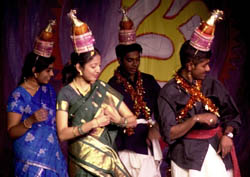
This Saturday evening beginning at 5:30 p.m., the Indian Student Association will be presenting their annual Festival of Lights. Diwali will give the student body and surrounding Cache Valley residents a chance to enjoy a night filled with authentic Indian food, traditional dancing and a lot of energy. Throughout the night, attendees will experience a taste of India: from native Bhangra Dances found in Punjab to authentic Indian curry served for dinner, Diwali is a time for native Indians to celebrate and others to enjoy the cultural experience.
Just as Christmas can be celebrated by both Christians and non-Christians alike, Diwali, a Hindu festival, is celebrated throughout India no matter the region or religion.
“Whether Muslim, Hindu, Buddhist or Christian,” computer science student Siva Kovvuri said, “Diwali unifies and excites everyone.”
The stories that explains Diwali’s purpose and origins are as varied as the locations that celebrate the festival.
One of the most commonly related stories, and the one which will be presented at this Saturday’s Diwali festival, comes from the northern states of India, but is also very well known throughout the rest of the country. This tale tells of King Rama, his 14 years in exile and his defeat of the demon king of Lanka.
Much of the celebration during Diwali is focused on remembering King Rama. For instance, Indians place lamps – diyas, candles or neon lights in their homes, on their roof tops and in the streets. The light from the lamps represents King Rama and his defeat over the demon. Just as light overcomes darkness and good overcomes bad, King Rama defeated the demon king.
Other regions of India have their own stories and beliefs that they remember at Diwali. In Gujarat, the main focus of the festival is the honoring of Lakshmi, the goddess of wealth, light and beauty. In Bengal, the goddess Kali, also known as the Mother Goddess or the goddess of life and fertility, is remembered.
But no matter where or who is celebrating the festival, Diwali signifies a renewal of life and a fresh new beginning. The festival signals the start of a new business year when many Indians clean out their homes and shops.
“During Diwali, moms will be in the kitchen cooking deserts, snacks and good food and everyone will wear new clothing,” ISA committee member Ranjitha Dhanasekharan said.
“Diwali is the one thing that I look forward to every year,” engineering student Hema Karnam said. “Everyone should experience Diwali.”
The ISA sponsored celebration of Diwali will be held Oct. 22 at 5:30 p.m. in the TSC Ballroom. Tickets will be sold in front of the bookstore on Oct. 21. Tickets cost $15.
-jlaw@cc.usu.edu
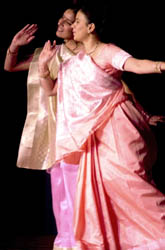
A celebration of light, Diwali is celebrated through most regions of India and is comparable to the Christmas celebration in America.