
Blue Goes Green announces grants
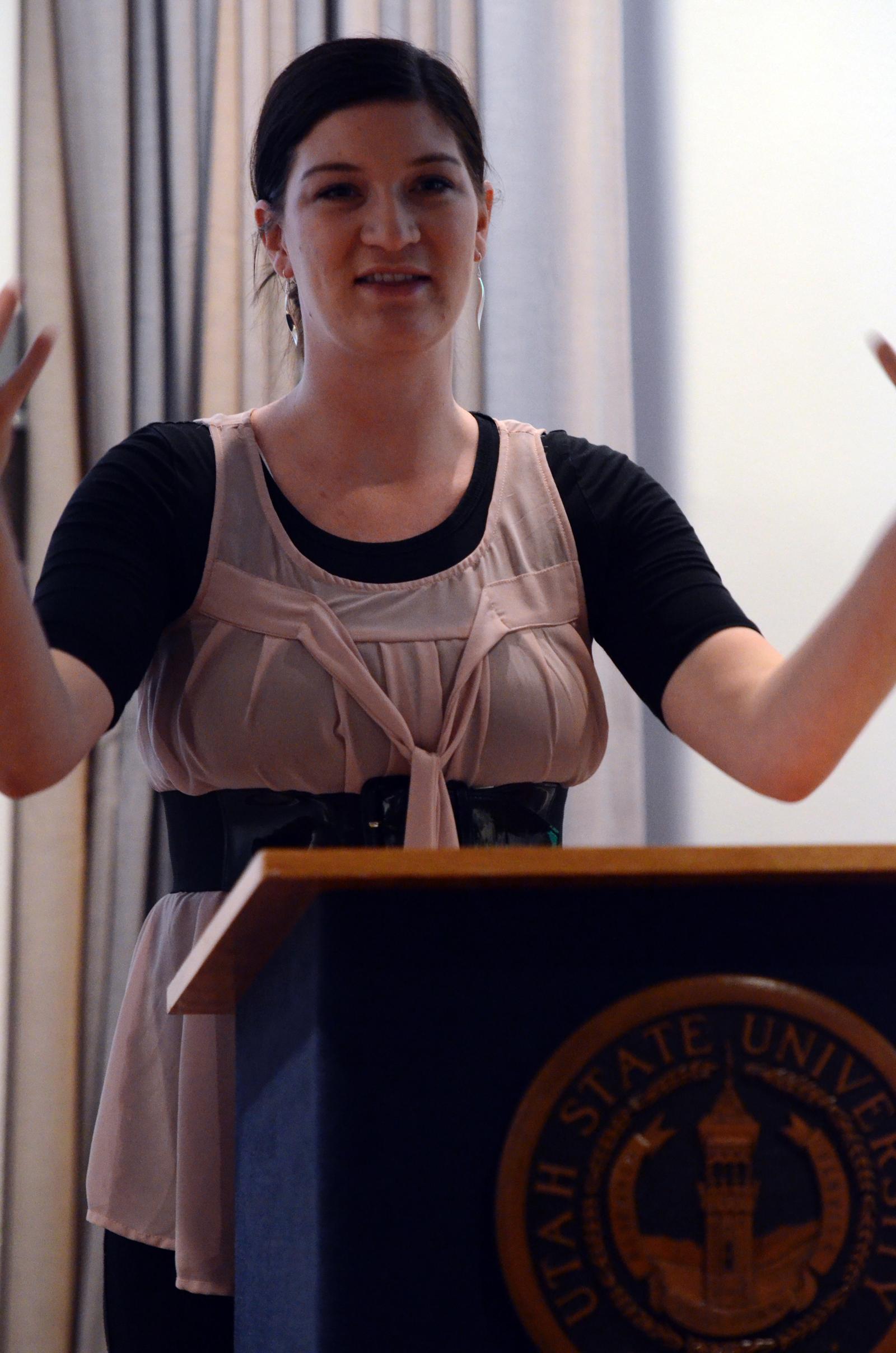
The Blue Goes Green grant board heard six proposals on Thursday. All idea proposals were designed to make campus life more environmentally friendly.
After deliberation from the board members, the grant recipients have been determined and the funds the grant had to offer have been awarded.
Adel Abdallah, a graduate student in environmental engineering with a focus on water resources, proposed the idea to get twelve automatic water faucets installed in the school to replace old hand faucets.
“The overall goal is to implement a project that will save water, money and energy and at the same time will help engineering students implement data as a real world problem,” Abdallah said. “The engineering students will be able to use this real data and work with professors to analyze it.”
Abdallah requested $5,900 for twelve new faucets and was granted $3,710 for the installation of six new automatic water faucets. The money will cover the labor and marketing costs.
“They’re funding half of the project,” Abdallah said. “I am excited that they’re giving me the funds to implement the project even on a smaller scope.”
The Psychological Mechanisms of Green Behavior group proposed the idea of looking at the psychological aspects of environmental behavior.
“With our three different research methods, our ultimate goal is to better understand environmental behavior to help the university and students to create more effective interventions,” said Brady DeHart, graduate student in experimental applied psychology. “We want to change environmental behavior.”
DeHart and the other members of this group will do studies to see if students unconsciously prefer natural or man-made environments. They will further look into how people are not always sensitive to the long-term consequences their actions will hold on the environment. Following these steps, they will take pictures of Cache Valley to look into the air quality and work to increase the quality.
“We weren’t awarded the requested amount, but it’s enough to achieve our research goals,” DeHart said. “This is a great opportunity.”
DeHart’s group was awarded $1,145 for their research out of the $2,745 requested.
Matthew Stapp, who is in his second year at USU and is majoring in wildlife, proposed to have larger bike racks placed on the Aggie bus shuttles to help encourage people to ride their bikes in order to help improve the Valley’s air quality.
“I’m really passionate about bikes. I think it is the solution to the world’s problems,” Stapp said. “You save money, get exercise, save the environment and have fun while doing it.”
With an overall goal to help have a positive impact on the air quality in Cache Valley, Stapp worked with Alden Erickson from the transportation department to request $2,836 for the larger bike racks. The entire amount was awarded to Stapp for the larger bike racks to be purchased.
“It’s a positive way to convince students to ride bikes more,” Stapp said. “There’s more room on buses and it gets them up the hill, which is the biggest obstacle.”
The fourth group awarded grant money was Aggie Village Compost. This group’s project will have compost bins at Aggie Village married and family housing to better use the waste campus produces and use it for community gardens.
Crista Sorenson, who could not be contacted for an interview, requested $550 for two compost bins to pilot her proposal with the potential to expand more throughout campus in the future.
Her request was awarded along with an additional $170 to pay for signage at the designated area, totaling a grant of $720 for her project.
The final two proposals, Campus to Community Sustainability Competition – centered around the LLC – and the Organic Farm Hoop House have both been denied funds at this time.
The LLC proposal was to have each building matched up with a high school Together Everyone Achieves More club. Working with the high schools, the groups would participate in competitions focused around sustainability with prizes awarded each month. Kayla Dinsdale who made this proposal, requested $4,535.
“We would like to encourage the LLC to acquire more funding through housing and incorporate sustainable prizes into the competition,” said Stephanie Tomlin, program coordinator and Blue Goes Green grant board member. “We want to encourage them to do a smaller ‘pilot’ program to better understand scope and participation levels.”
The Organic Farm Hoop House proposal was to build a hoop house for the club’s farm, allowing them to plant produce earlier in the year so there would be a longer crop season to provide for the students and community. This group requested $2,558.
The board encouraged the members of the Organic Farm Hoop House project to find some funds through other outlets.
Both the LLC and the Hoop House are being encouraged by the BGG board to further work on their projects and re-propose their ideas at a later date when they have met the required stipulations given by the board.
Between the four groups, the Blue Goes Green board has awarded a total of $8,411 of their allotted $10,270 they had available to them. The remaining $1,859 will be held for next semester’s Blue Goes Green grant funds.
– lori_schafer@yahoo.com