
Coping with the loss of a parent
Coping with the loss of a parent can seem an insurmountable trial to overcome, especially during the already stressful college years.
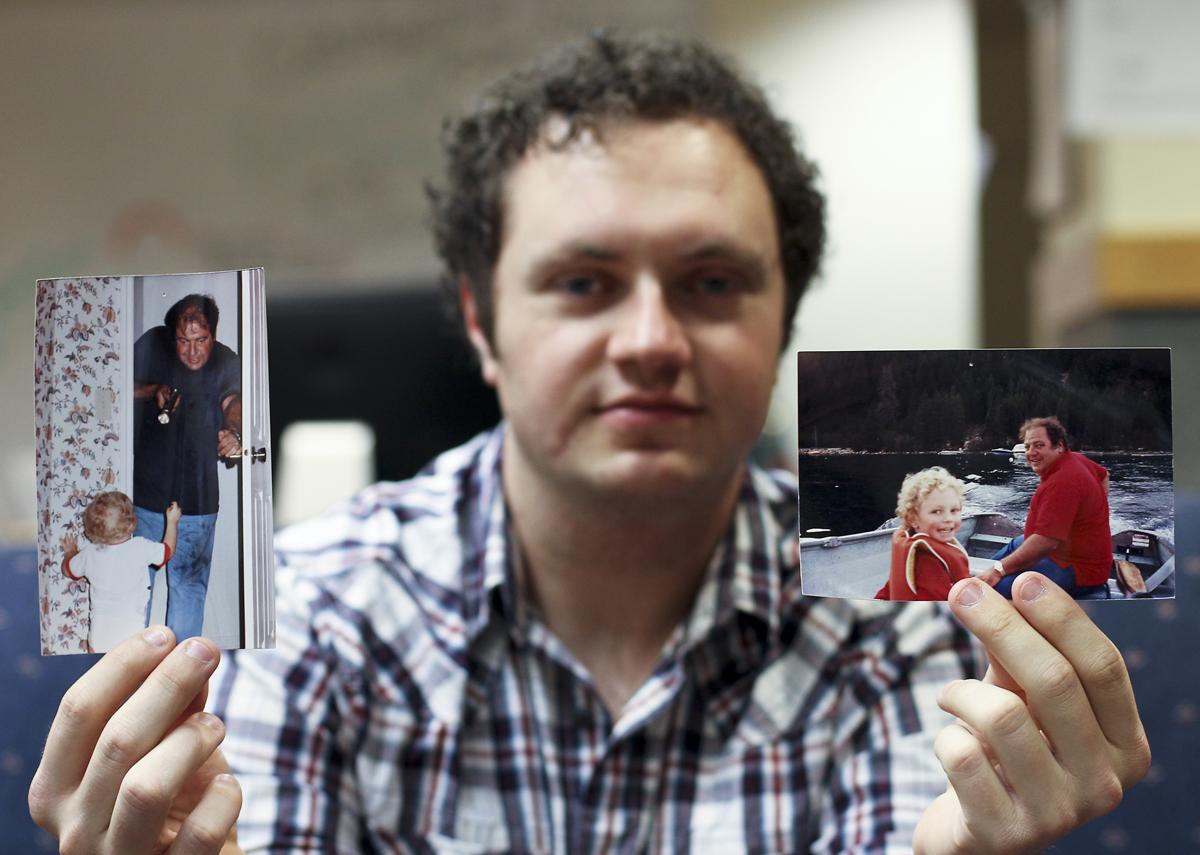
For Zach Bosch, a senior majoring in public relations, his father’s passing during finals week of his freshman year was a significant loss. His dad had many health issues and had been in and out of the hospital numerous times over the final 20 years before his passing.
Four days after Bosch’s 25th birthday, his dad passed away due to complications during a heart surgery.
“I remember being very reluctant to attend a birthday party my friends had organized for me, because I was scared that would be my last opportunity to have a conversation with my dad,” Bosch said. “That week was a real roller coaster of emotions. It seemed like the doctors were optimistic of his survival one hour and doubtful the next.”
USU Counseling and Psychological Services (CAPS) director and psychologist David Bush explained that loss during college can be intensely unsettling, “especially when the loss comes in the midst of exams, papers and other sources of stress.”
Bush said he recommends students talk to their professors, roommates and friends, to explain what they are experiencing.
“Give them direction, so they are less likely to say something that is hurtful or awkward,” Bush said. Students can take advantage of free counseling services on campus and other resources, he added.
Bosch said he emailed his professors during finals week and arranged to turn in a project and take an exam late.
“I think my dad’s death negatively affected my grades that semester since I didn’t really devote the time I normally would have on the project and exam.”
The following semester, Bosch chose to reduce his course load to six credits and move back in with his mom to help her get everything in order. He said it was a stressful few months and his family members all dealt with the loss differently.
“I would say the toughest part, aside from not having him around, was seeing my mom in despair day after day,” Bosch said. “I knew it would get more bearable with time, and it did.”
Steve Crass, a senior majoring in broadcast journalism, also lost his father during his freshman year. His dad had been diagnosed with diabetes and passed away from an infection from wounds in his leg.
“It happened all so fast. It was one thing after another. His liver shut down, then his kidneys,” Crass said.
With his father passing away in late January, after spring semester had already started, Crass said he tanked on grades and his teachers weren’t as sympathetic as they could have been.
“I don’t think they understood the gravity of the situation,” he said. “I’m the only boy in the family, and I had a lot of responsibility lying on my shoulders when he passed away.”
Crass’s father owned a small business buying and selling classic cars. “I grew up with lots of cars in my life,” he said. “My dad would come home with a new car every few days. We had six cars in our garage at one time. We had more cars than we knew what to do with.”
He didn’t immediately seek counseling, but Crass said he plans to go to CAPS more often this semester. As is common, Crass said he did not realize how traumatized he had been from the loss.
“There are still lingering issues,” he said. “College is stressful enough as it is. You have to focus on school all the time.” He said he does not blame the state of his academic life entirely on his dad’s passing, but it has definitely had a dramatic impact.
Bush said one of the sweet parts of loss is taking time to celebrate the life of the parent, even when the parent was imperfect.
“I think that death is often a very unsettling thing for a lot of people. Though, I don’t think it always has to be,” Bosch said. “I hated the weeks and months following his death, but I’m grateful for that time and the things I learned about myself and life.”
Death doesn’t necessarily have to be a terrible thing, Bosch said, “it can be a time for growth and an opportunity to find deeper understanding about life and relationships.”
Bush said it’s impossible to prescribe a strategy that fits all students, because everyone grieves in his or her own way. He said most students go through the traditional stages of grief, which are denial, anger, detachment, depression and resolution.
“Taking time for the process is crucial, and many students want to skip some or all of the steps,” Bush said.
Bosch agreed the grieving process is extremely different for a lot of people. But he did have some advice for other students who are dealing with the loss of a parent: “Grieve in your own way,” he said. “Accept your feelings for what they are and don’t expect yourself to feel a certain way. Death, for most people, is a new experience; allow yourself to learn and grow as you work through it.”
– natashabodily@gmail.com