
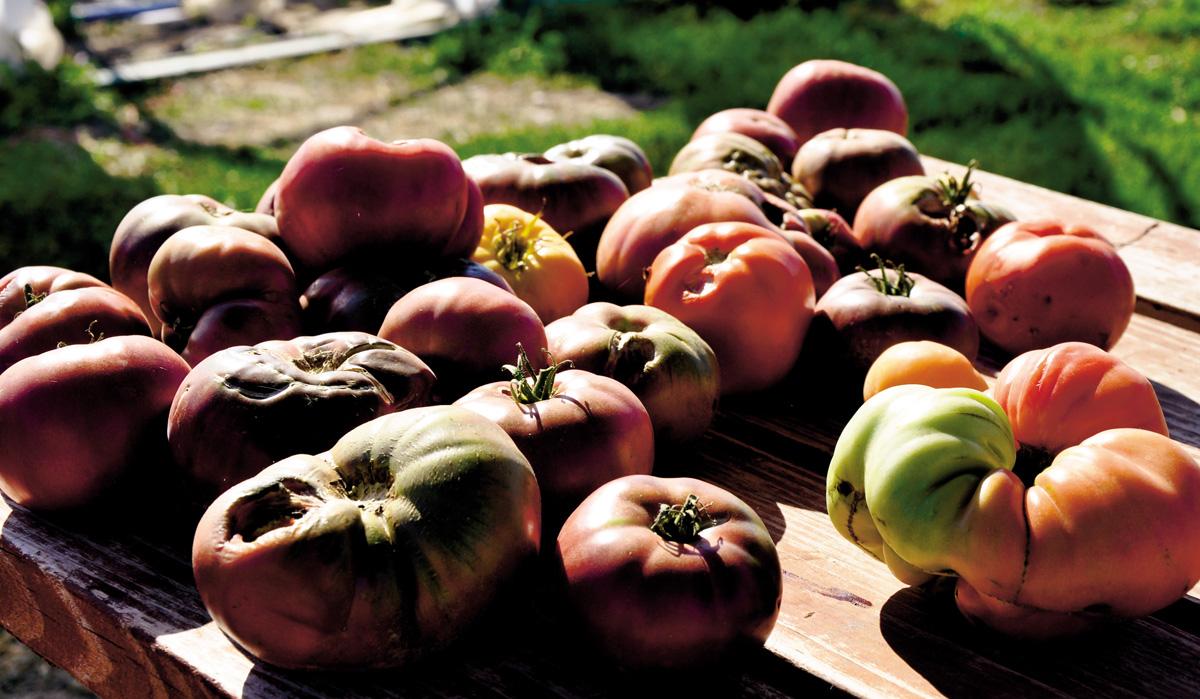
Two groups’ views on local food
On Maslow’s hierarchy of needs, food is one of the first things a human needs to survive, along with breathing and water. In Cache Valley, the Slow Food Cache Valley and Logan Foodies are two groups who understand the importance of food but think food should go beyond being a basic necessity.
The slow food movement has its roots internationally as well as nationwide, but came to Logan about three years ago. Maria Brym, a master’s student in food safety and quality, said she has been living a slow food life for between four and six years.
“Slow food is the opposite of fast food,” Brym said. “It’s embracing local, sustainable food production methods. It’s taking no shortcuts, not processing food.”
Brym said the sustainability and lack of processed foods is what sets the slow food movement apart from everything else, as well as the fact slow food is better for the body and the world.
“Slow food brings a lot of nutrition back to your diet,” Brym said. “If you’re adding vitamins to processed food because you’ve taken them out, it doesn’t make sense. If you eat real food, you have all those nutrients fully.”
Dawn Reed, a junior in dietetics, presented at the Food Day event on Wednesday. For Reed, sustainable food means buying locally.
“Buying local food does a lot of good for the community because it supports local farmers, decreases the pollution from carbon emissions and the food is fresher,” Reed said.
Reed said food bought from local vendors keeps money in the local economy and lowers carbon emissions because food is traveling for shorter distances. Brym said food is fresher when bought from local farmers, or grown in a backyard, which is what Brym does.
“I own my own farm and I grow my vegetables, as well as raise my own poultry and goats,” she said. “I just made two big buckets of goat cheese yesterday.”
Brym uses her resources to feed herself year round and said there are options for community members to do the same by utilizing community supported agriculture.
“What happens is you buy a share of a farm and then you get vegetables and fruits all season long,” Brym said. “It requires you to open yourself to new foods and to learn how to cook new things.”
Brym said having a farm share and buying local food also provides food for the fall and winter because of excess produce, which is why such a lifestyle is affordable for college students.
“Often times with a share you get so much food, you can store it,” Brym said. “Buying local can also be cheaper. On a good year, you can get a lot more food for so much less than you can buy at the store.”
The Logan Foodies is a group of people joined by a love of food, but not just eating. Michelle Nash is a Logan Foodie and said a foodie is someone who wants to experience the different types of food.
“Logan Foodies is a group of people who love the food here in the valley, who love to get together and enjoy what Cache Valley has to offer,” Nash said. “Believe it or not, we have a diverse and delicious food scene.”
Each month, the Foodies host a “food crawl” to a pair of local restaurants that showcase diversity. Nash said the group usually visits the locally owned restaurants, although it will occasionally visit chain restaurants as well.
“If it serves food, it’s a foodie place,” Nash said.
Nash said there’s not much of a difference between a foodie and any other type of eater except the concentration that goes into the food choices a foodie eats.
“Most people go out to eat when they don’t feel like cooking, or for a source of entertainment,” Nash said. “Foodies only get together once a month, to savor the food, to get to know the owners, the cooks and to meet people who love to try new things.”
Nash said Cache Valley has a lot of restaurants that even those on a college budget can eat at and get plenty of food. The Logan Foodies have discussed having a budget crawl, where it visits restaurants with inexpensive but high-quality food.
According to Nash, being a foodie doesn’t only mean eating out – it also means eating well at home.
“Being a foodie is not just something you do at a restaurant,” Nash said. “It’s having cookbooks, it’s getting into your kitchen and trying new things, things your family might not be accustomed to.”
Both the Logan Foodies and Slow Food Cache Valley can be found on Facebook for more information and details about events.
– april.ashland@aggiemail.usu.edu
@AprilAsh2012