

Utah’s big elk at Hardware Ranch
What was once a near-vanished symbol of Utah’s wilderness is now a testament to resilience and conservation. The Rocky Mountain elk, hunted by Native American tribes for centuries, had nearly disappeared from the state by the late 1800s due to overhunting by settlers, but today, elk herds thrive.
In 1910, Utah’s first official efforts to protect and conserve elk began when the state’s first game laws were enacted. The Utah Division of Wildlife Resources was created in 1921 to regulate hunting and manage wildlife populations more effectively.
“Hardware was set aside as a WMA [Wildlife Management Area] in the late 1940s specifically for wintering big game,” said Marni Lee, wildlife recreation programs coordinator for the Utah DWR at Hardware Ranch in Hyrum. “The education center is just one part of the Hardware Wildlife Management Area. Because of its status as a WMA, the land will never be developed, giving our local and statewide communities opportunities to immerse themselves in Utah’s wildlife habitats forever.”
By the 1950s, the DWR began a series of elk translocations, bringing elk from other western states to repopulate the land. These efforts were successful, and by the 1960s, elk populations were on the rise once again.
Today, elk hunting in Utah is regulated through a lottery system where hunters apply for a limited number of permits each year. Hunting has become a dynamic tool used for population management as people learn more about range ecology.
DWR carefully monitors and adjusts hunting permits based on species population levels, habitat conditions and weather to maintain a healthy and balanced ecosystem. Many of Utah’s wildlife species rely on hunting to keep the population at an optimal level, while others rely on natural predators.
In 2024, the state increased the number of permits for the first time in six years. This marked a sense of optimism about the effects of hunting on Utah’s environment and the future of hunting.
Brad Hunt, DWR wildlife management area manager, said the deer and elk populations have grown over the past few years due to lighter winters.
“The outlook for wildlife in Cache Valley is relatively good,” Hunt said. “Overall, wildlife are faring well. Wildlife still face issues such as urbanization and the loss or fragmentation of habitat.”
Science and technology has become a valuable tool for hunters and animals. GPS systems and detailed data analysis provides information on geographic spread, weather conditions, trends in elk behavior and migration patterns. Studying this information can help better inform wildlife management decisions.
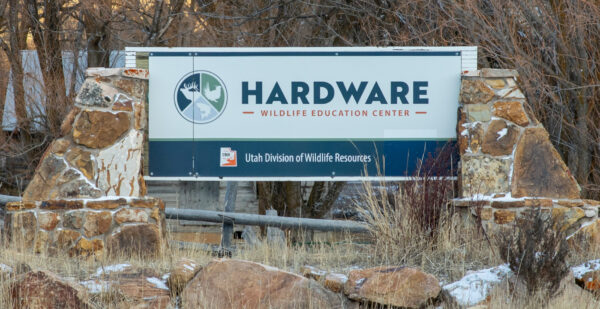
The Hardware WMA, owned by DWR, spreads across 14,332 acres and is located in Blacksmith Fork Canyon. The Hardware Wildlife Education Center is just one component of the complex operation. The center provides an opportunity for visitors to discover Utah’s wildlife and their associated habitats. During the spring and fall, visitors can enjoy guided walks through nature, crafts and informational panels focused on a specific wildlife topic.
“Our WMAs in Cache Valley are vitally important in helping these populations survive in the winter and mitigate the winter nuisance and depredation,” Hunt said.
The DWR closes wildlife management areas seasonally to provide wintering areas that allow wildlife to escape people and conserve bodily resources needed to survive the winter. Obeying these closures is vital in preserving wildlife safety and health.
“It’s important to recreate responsibly,” Hunt said. “Disturbance in sensitive areas can promote erosion, result in the removal of native plant species and promote the establishment of noxious and invasive weeds that degrade habitat.”
Lee oversees visitor services, including education and interpretive programming. She said her role has helped her see wildlife, hunting and land preservation as a tool for people to discover the natural world.
“I think about the endless opportunities for teachable moments,” Lee said. “When I think of wildlife, hunting and land preservation, I think of them as complex areas of study and management that involve more than the best science.”
During the winter months, visitors can ride through a herd of elk on a wagon and learn more about the ecology, anatomy and migration patterns of elk. The property is open year-round for hunting, fishing, camping and other outdoor recreational activities.
“Everyone can connect to wildlife somehow, and with Utah’s diverse wildlife populations, everyone can find something wild that calls them to action,” Lee said.
The education center is a part of the WMA, perhaps most famous for the elk-viewing wagon rides. According to Lee, the rides began through an elk-feeding program in the late 1940s to mitigate wildlife damage to private lands in Cache Valley.
“In addition to offering rides, feeding the elk gives us an opportunity to trap some of them and determine the overall health of the herd,” Lee said.
WMAs primarily exist in winter use areas. Ongoing habitat restoration and improvement projects help maintain adequate space for wintering wildlife to congregate.
When enjoying and interacting with wildlife and their habitat, it is crucial to practice the Leave No Trace principles, according to Hunt.
“Following road-use directions, staying on designated roads and trails and camping in designated areas plays a huge role in reducing the amount of damage done to wildlife habitat,” Hunt said. “By cleaning up after ourselves and leaving spaces better than we found them, we can all help keep the areas we recreate in clean and beautiful.”