
Diabetes
Ryan Field said having diabetes constantly feels like he just finished running 10 miles.
“I felt like I was dying,” said Field, senior majoring in management information systems. “I lost 20 pounds, and was exhausted, thirsty and urinating continually. I felt like I had just finished running 10 miles all the time.”
Diabetes is a disease in which the body does not produce or properly use insulin. According to the American Diabetes Association’s Web site, www.diabetes.org, insulin is a hormone that is needed to convert sugar, starches and other food into energy needed for everyday life.
Dr. Jim Davis, director of the Student Health and Wellness Center, explained there are two types of diabetes.
“Type 1 occurs when the body does not produce any or does not produce enough insulin,” he said. “Type 2 happens when your body is insensitive to whatever insulin is produced, ignores it and is not able to use it.”
The American Diabetes Association’s studies show that the majority of Americans are diagnosed with type 2 diabetes.
However, at the age of 16, Field said he was diagnosed with insulin-dependent, or type 1, diabetes.
Type 1 can occur in any age but is commonly referred to as juvenile diabetes as it is more frequently diagnosed in children and young adults. The American Diabetes Association reported only five to 10 percent of Americans with diabetes are diagnosed with type 1.
Diabetes of any type is known to hold the potential to do explicit damage to one’s body, Davis said. He said he refers to it as a wasting disease.
“Diabetes is where you just waste away,” Davis said. “It does major damage to blood vessels, nerves, and can cause both heart and kidney disease.”
According to MedlinePlus Medical Encyclopedia, symptoms of diabetes include increased thirst, which consequently results in increased urination, weight loss despite an increase in appetite, nausea, vomiting, abdominal pain, fatigue and often the absence of menstruation.
“You can lose feelings in fingers and toes from poor circulation,” Davis said. “Diabetes is a very progressive disease.”
After Field had experienced each of these symptoms, he said he knew something was not quite right.
“I knew something was wrong with me. I felt like I was dying,” he said. “When they finally took me to the hospital, they ran all of the tests and I was told I was diabetic.”
Many different options are available for testing someone for diabetes. Davis said the tests for diabetes involve checking to see how tolerant someone’s body is of sugars.
“One example is to check your blood sugar two hours after you have eaten,” he said. “If your blood sugar is elevated after those two hours are up, you could have serious problems.”
Another test Davis said is to drink some sugar water and check your blood sugar level immediately after and every 15 minutes for two hours.
“These tests help measure the amount of sugar you have around,” Davis said.
MedlinePlus suggests many other common tests. Urinalysis, for example, is the examination of the sugar and other various compounds that pass through urine. The fasting blood glucose test, random blood glucose test, and insulin tests also produce reliable results regarding diabetes, it states
After the tests showed positive for Field, he said he had to learn how to control and treat his disease.
“I now have to take three to four shots a day,” Field said. “But mainly it is after I eat. And I check my blood sugar a couple of times a day, just to make sure it is in the right area. When I first got diabetes, I heard how it will drastically change your life, but it really doesn’t. It just makes you be more aware of what you’re eating.”
The American Diabetes Association’s Web site states it recommends a well-balanced diet to help control diabetes. It states eating lots of vegetables and fruits, especially non-starchy vegetables such as spinach, carrots, broccoli and green beans will help. Eating dried beans like kidney or pinto beans and including fish in your meals two to three times a week also is a valid treatment, according to the site.
Field said diabetics must be willing to sacrifice a vast amount of sugar in their everyday meals.
“With diabetes, they want you to stay away from sugar,” he said. “When you eat certain foods, it causes such a rise in blood sugar that they want you stay away from it. They want you to eat foods that are more stable.”
Physical exercise is also necessary to treat diabetes. MedlinePlus reported regular exercise helps control the amount of sugar in the blood and helps burn excess calories and fat to achieve optimal weight.
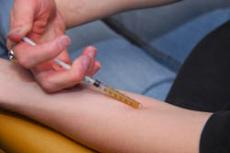
Individuals like Field, who are diagnosed with type 1 diabetes, are not able to make their own insulin, which consequently results in them injecting insulin daily into themselves to help control their diabetes.
MedlinePlus states insulin is injected either under the skin or is inhaled. In some cases, a pump delivers the insulin continuously. Insulin does not come in pill form, it states.
The medical encyclopedia also states injections are needed, in general, from one to four times a day. The insulin preparations differ in how fast they start to work and how long they last. Oftentimes, more than one type of insulin may be mixed together in an injection to achieve the best control of blood glucose, it states.
Continual monitoring of diabetes is also crucial for diabetes, it states. Frequent trips to the doctor for regular checkups and flu vaccinations are all suggested ideas from the American Diabetes Association.