
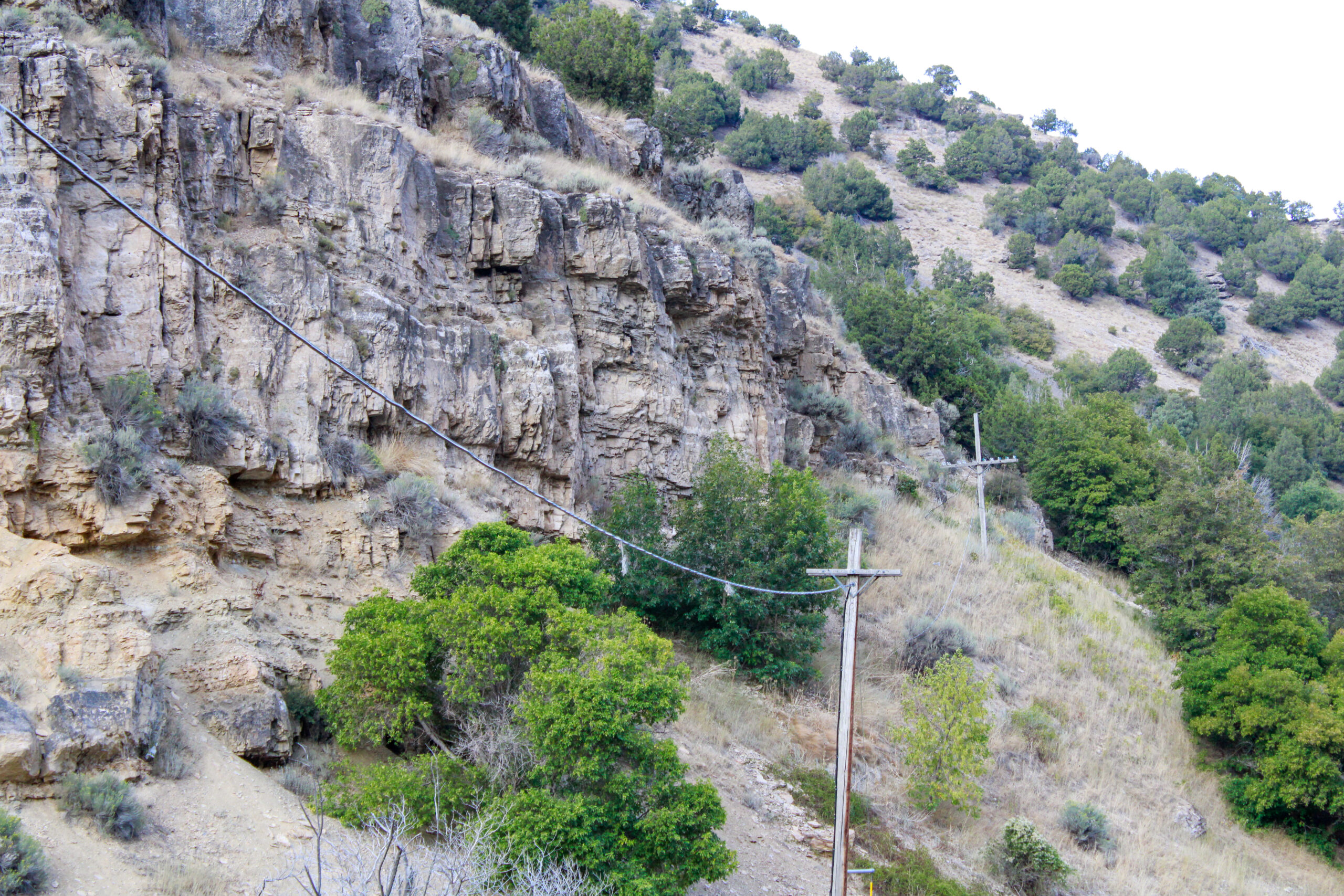
Driest summer in Logan on-record
The Utah Climate Center at Utah State University maintains around 140 separate weather monitors around the state, from Logan to St. George. Using these stations, researchers measure trends and shifts in weather patterns throughout Utah, including the extremely dry summer Logan recently experienced — one of the driest on record. Utah has been experiencing an increasing drought for years, but the lack of precipitation in Logan last winter made for an extra parched summer.
Climate data analyst and Ph.D. student Casey Olson said the weather records from the Utah State weather station date back to 1893.
“We’re really reliant on our snowpack for water resources across the Wasatch Front,” Olson said in an interview with The Utah Statesman.
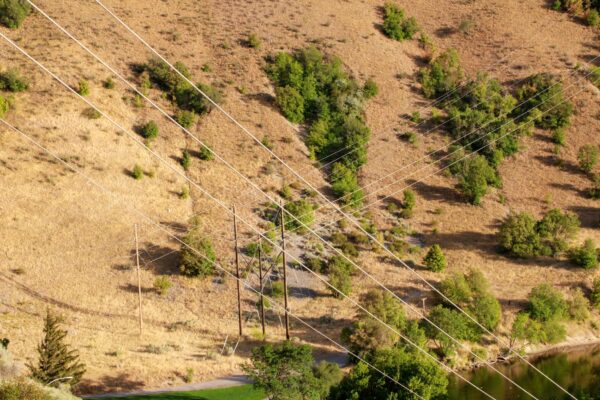
The mountains as seen from the Highline Trail in Logan are yellow after a dry summer on Aug. 24.
According to Olson, last winter, Logan experienced less precipitation than usual until the end of the season, which could be partially responsible for the current dry conditions.
“You can see it reflected up in the mountains — just the drying of vegetation happening sooner,” Olson said.
While Utahns may be used to low humidity and brown lawns during summer months, this dry spell could negatively impact the local agriculture many people rely on.
“They’re having trouble feeding livestock, especially with grazing,” Olson said. “The landscape is so dry, there’s just not a lot of vegetation to feed their livestock.”
According to Olson, some areas of the state are reaching the lowest levels of soil moisture, leading to a “dire situation.” He said Logan’s rainy monsoon event during the week of Aug. 25 helped, but it was “too little too late.”
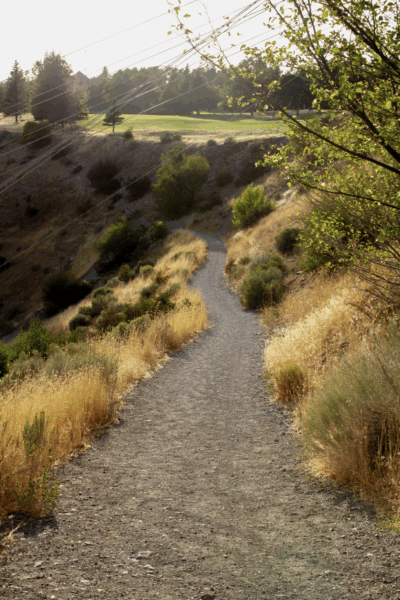
The Highline Trail in Logan is yellow after a dry summer near a well-watered golf course on Aug. 24.
Wei Zhang, assistant professor of climate science at USU, said despite the extremely dry conditions, Logan did not reach a record-breaking level of heat. However, it was warmer than what is historically considered normal.
“When we look at the historical data, we look from the beginning of June to the end of July — we look at the precipitation,” Zhang said in an interview with the Statesman. “The past summer was the driest. It was pretty astonishing to us that we have seen the record dry summer in Logan.”
According to Zhang, two of the top drivers responsible for dry summer conditions are precipitation deficit and hot temperatures.
“In the past summer, the vast majority of Utah, if not 100%, was under drought conditions,” Zhang said.
Utah is one of the driest states in the U.S., and according to an article from The Salt Lake Tribune, residents use the most water of any southwestern state.
Zhang said he is working with students to understand the ongoing drought condition, develop forecasting for precipitation and predict what will happen in the next few months.
“Based on the weather forecasting, or the season prediction made by NOAA [National Oceanic and Atmospheric Administration], it seems that we would have a hot and dry than normal condition in the coming winter,” Zhang said. “I believe that the drought condition will propagate for some time and may even get worse.”
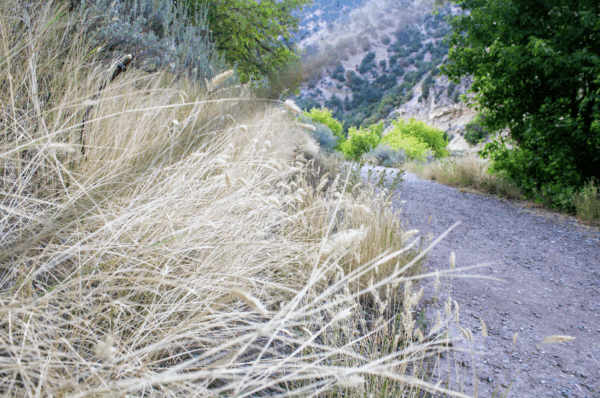
The Spring Hollow hiking Trail in Logan is yellow after a dry summer on Aug. 31.
To help the situation, Zhang recommended limiting the amount of water used for irrigating grass. Most grass species planted in Logan are not native to the local desert area and require more water than is naturally provided by the climate.
Aside from irrigation uses, Olson said the lack of water in Utah is partially due to occurrences in the global systems at play.
“There is a component of overall climate change that is increasing our temperatures, which increases that evaporative demand,” Olson said. “There’s more of the moisture being taken out of the soil into the atmosphere — being moved elsewhere.”
According to Olson, northern Utah experiences five-to-seven-year cycles of wet and dry conditions, and Logan is currently exiting a wet cycle.
“We’re going to start seeing more strain in our water resources,” Olson said. “It’s hard to know exactly how that will play out in terms of policy, but that could mean water restrictions at some point.”
While this may seem shocking, Olson said there are many organizations aiming to help.
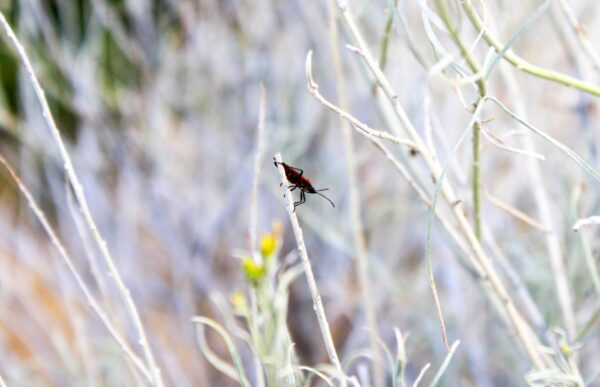
A boxelder bug sits among dry grasses and sticks near the Highline Trail in Logan as seen on Aug. 24.
“The Institute for Land, Water, and Air are really focused on working with policy makers — so bridging the gap between the science and the policy,” Olson said. “On an individual level, water conservation always is the first thing to recommend.”
Watering plants during times when the sun will evaporate less water, like during the evening, can help conserve it.
Zhang said students can influence their peers in class, family and friends to help the small choice to conserve water to grow until it turns into something bigger.