

From campus to canyon, USU students find ways to love winter
When the snow stacks up in Logan Canyon and Beaver Mountain starts spinning its lifts, winter can turn into one of the easiest seasons for students to get outside. From full-moon snowshoe hikes to backcountry yurt weekends and low-cost rentals, Logan is built so even total beginners can step into the snow.
Utah State University Outdoor Programs, part of Campus Recreation, runs four main areas: adventure trips, skills courses, a rental shop and the climbing wall. In winter, that means trips like cross-country skiing, backcountry skiing and snowboarding, weekend yurt outings and snowshoeing and spring clinics in wilderness medicine and avalanche safety. USU students get a 35% discount on rentals, and the climbing wall offers a warm alternative when it’s too cold to head outside.
“Every spring the OP offers a plethora of outdoor adventure trips to students at a very affordable rate,” Maizy Troxell, OP graduate assistant, wrote in an email to The Utah Statesman. “All of our trips are beginner-friendly and include the guidance of our experienced trip leaders, transportation, gear, snacks and so so much fun.”
For many students, the first step is simply signing up on the website. After that, a trip leader sends an email with basic information. For overnight trips, groups meet in a pre-trip meeting the Tuesday before departure to go over the itinerary, needed gear, food and questions. On trip day, everyone meets behind Maverik Stadium at the old shop location, does a quick round of icebreakers and a gear check and then loads into vehicles and heads for the canyon.
Cooper Linderfelt, OP student trips manager, first joined the program as a participant on a first-year student orientation rafting trip in Labyrinth Canyon. He applied to be a trip leader the day he got back and has since led almost every kind of outing the program offers, from rafting and backpacking to skiing and canoeing.
“One of the best ways to keep participants calm is to keep things casual and show excitement,” Linderfelt wrote in an email to The Statesman. “If there is a situation that is a little scary or intimidating, we talk participants through the problem and explain how the situation is controlled and safe.”
Linderfelt said trip leaders follow a “challenge by choice” approach, so students can always opt out of anything that doesn’t feel right in the moment.
For students who want to push into deeper snow, OP manages the Blind Hollow Yurt, a Mongolian-style yurt tucked into the Bear River Range behind campus. Each spring, the program runs three yurt weekends, typically in late January, over Presidents’ Day weekend and during spring break. Groups ski in with their overnight packs and spend the weekend backcountry skiing or snowboarding, cooking together and hanging out by the fireplace. Because of the terrain, these trips are recommended for students with previous skiing experience.
 © CWild Photography
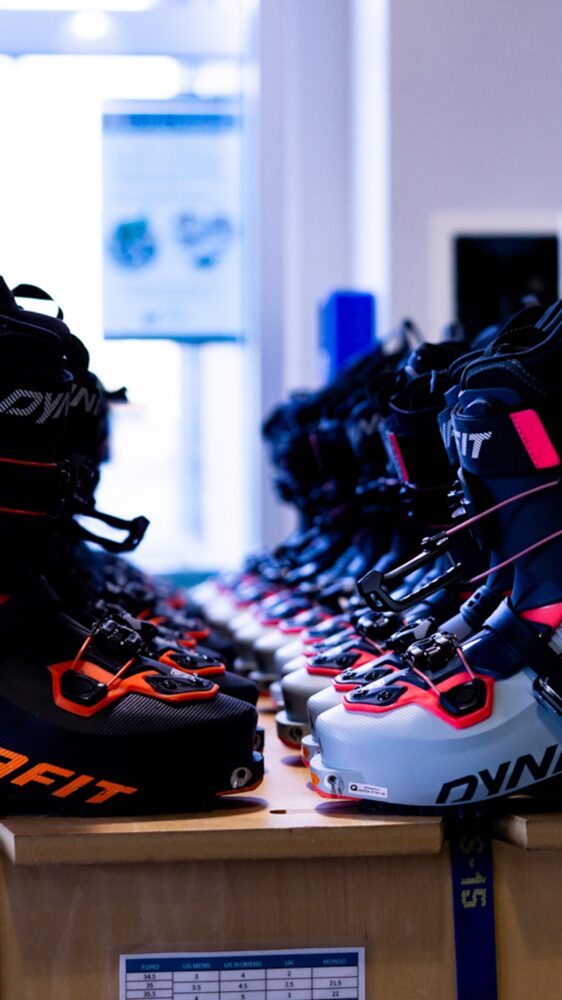
 Ski equipment ready to be rented at the USU Outdoor Programs Rental Shop, as seem on Nov. 13, 2024.
For everyone else, there are easier on-ramps. Troxell calls snowshoeing the easiest first step for someone who’s never experienced winter sports. Outdoor Programs runs full-moon snowshoe trips for around $20, or students can just rent a pair of snowshoes, get fitted in the shop and head up Logan Canyon on their own. Troxell also points to fat biking on snowy roads and groomed trails as an underrated way to experience Cache Valley in winter.
Those rentals are often the key that makes winter feel possible on a student budget. The shop rents goggles, snowshoes, fat bikes, powder surfboards, cross-country skis, resort skis and snowboards, split boards, alpine touring and telemark skis. For students interested in the backcountry, avalanche packages include a beacon, probe and shovel. Camping gear like tents, sleeping bags and sleeping pads is available year-round. On big snow weekends, the shop often rents out every resort ski and snowboard package, so staff recommend reserving by Thursday and grabbing backcountry setups early for those who know their size.
Linderfelt said trip fees are designed to be as all-inclusive as possible. A single payment covers transportation, food, snacks and extra gear, with most students only needing to bring clothing and a water bottle. Ski and board packages for a day on the hill can cost students just under $20.
Once students do get to the hill, places like Beaver Mountain help keep the local feel going.
“I’ve been skiing since I was two years old, and I grew up in a ski family,” said Emma Christopher, USU student and avid skier, in an interview with the Statesman. “What I love most about Beaver is the local feel and community that’s built around it. It’s such a homey vibe.”
Christopher’s favorite spot is Marge’s, a tree run that reminds her of “skiing with friends and fun times.” Christopher describes Beaver as a small local mountain with several distinct areas, plenty of trees, beautiful views and real snow. For students trying to build a gear setup on a budget, she recommends ski swaps and online marketplaces with an emphasis on buying quality pieces that last instead of replacing cheap gear every season.
Skiing, she said, is also how she keeps herself grounded during the semester. She tries to build her class schedule so she has 2 days a week when she can ski. For anyone curious but nervous to start, she points to the skiing class through Utah State as a good way to learn alongside other beginners and tap into the campus ski community.
Back on campus, OP’s clinics help fill in the gaps. Tune and wax nights teach students how to keep skis and boards in shape, while weekly clinics at the new shop and rolling sessions at the HPER pool give students low-stakes environments to learn. RecRe lockers in the ARC make it easy to grab basic sports equipment and climbing shoes without even visiting the rental shop.
Whether it’s a first snowshoe in Logan Canyon, a weekend at the Blind Hollow Yurt or a spring desert river trip, Troxell and Linderfelt both emphasized the same message: You don’t have to show up knowing anything — just willing to try.