
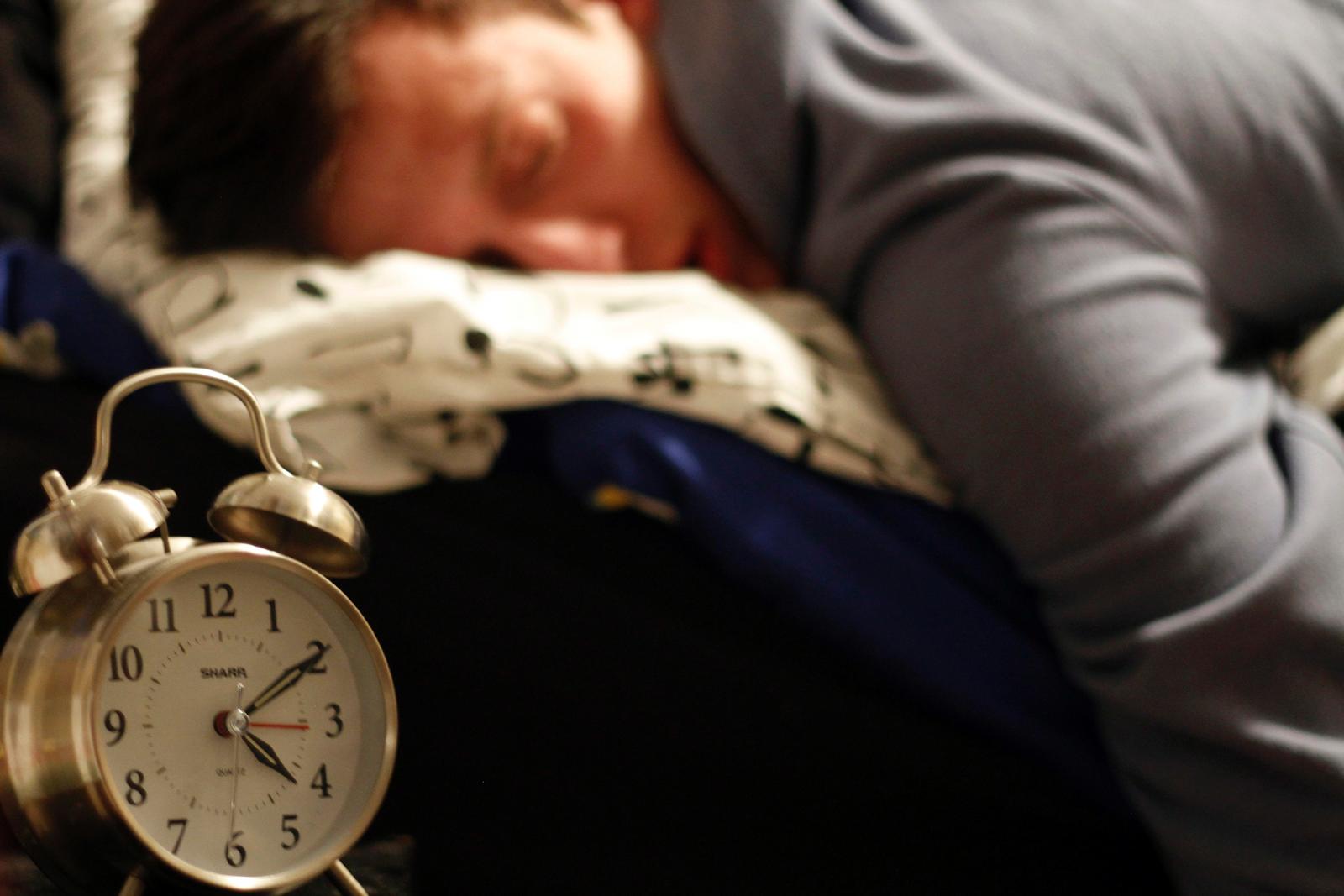
Studies say sleep impacts academic performance, social life
Busy social lives, demanding work schedules, and varying class times often make sleep a low priority for college students.
“I don’t get any sleep,” said Ben Johnson, a junior majoring in Business. “I’ve went to bed at 5:30 a.m. the past two nights.”
According to the Washington Post, sleep can help students who struggle with depression, physical health problems, anxiety and academic problems. The average college student gets just 6.5 hours of sleep at night. Most students don’t have regular sleeping schedules, which can have almost as much impact as the amount of time they sleep.
Focusing on certain parts of life can keep students from getting the sleep they need, Johnson said.
“The way I see it,” Johnson said, “When you’re in college you have three parts of life: studying, social life, and sleeping. You can only do two fully at any given time.”
Sacrifices are often made for the parts of life people feel are most important, like grades, Johnson said.
“If you want good grades and a social life you will have to sacrifice sleep,” Johnson said. “That’s what I do until it’s the last couple days before the test. Then I don’t make any plans at night so I can study all day and night, but still get plenty of sleep.”
Although students think they can “catch up” on sleep, research done at the University of Texas Southwestern Medical Centre reports otherwise. The study says sleep can only be recovered by going to bed eight hours before before a person would wake up – not by trying to make it up later. Human bodies run on a circadian cycle, which takes days to re-regulate itself after losing even a single night’s sleep.
Torrey Green, a sophomore majoring in journalism, said he easily gets an average of seven hours of sleep a night. To help him fall asleep he listens to music.
“Put on music,” Green said. “Nice soothing music.”
Green credits his ability to getting enough sleep to being a worry-free, low-stress person.
“I don’t stress and worry about the future,” Green said, “There’s no reason to stress. I’m living, I’m breathing, I’m happy, I have life.”
Techniques to quickly fall asleep are often used by students, even though it detracts from the quality out of their sleep.
“I like to put on a TV series, and go to sleep with the TV on,” said Stephen Anderson, a senior majoring in exercise science. “I wouldn’t call it quality, but it puts me to sleep faster.”
A study from the National Sleep Foundation shows that looking at brightly lit screens, like on a phone or laptop, can keep students from getting the sleep their bodies need. According to the study, artificial light exposure between dusk and the time people sleep delays the release of certain hormones, making it more difficult to get into a deep sleep.
“I’ll look at my social media before I fall asleep, but that’s it,” said Efrain Carillo, a junior majoring in management, “I think it’s easier … even though I heard it makes it harder.”
Anderson said he’s beginning to recognize what a big role sleep plays in his life.
“I feel that it is very important,” he said. “Sleep plays a vital role in good health, and well being throughout your life.”
– haileehousley@aggiemail.com