

Walipini Impact builds greenhouse in Uganda
This summer, Walipini Impact, a benefit corporation based out of Logan, had the opportunity to build a greenhouse in Kampala, Uganda for the Grace Place Ministry. This build marks their first official build outside of the United States and their second greenhouse ever built.
Walipini got into contact with the ministry through Kids Read Foundation director David Muyanja, who used to work for Grace Place before coming to the U.S.
After getting connected with Grace Place, Walipini set its plans in motion: designing the greenhouse, creating a materials list and getting funding for the build.
Sam Kelley, chief marketing officer for Walipini, said they ran into an unexpected situation with the materials when they arrived at the build site.
“When we showed up at Grace Place, we were hoping that the materials would be there, and they weren’t,” Kelley said. “So, we went on a little adventure to find all of the materials, and because of that, we actually got to be more hands-on and more particular about what we were picking.”
Jessie Miller, president of Walipini, said they also had to adjust their plan for how they would build the greenhouse after picking up the materials.
“The materials were very different from what we were expecting,” Miller said. “The bamboo was a different type of bamboo than we’d ever worked with, and the stone was softer. It wasn’t quite what we were looking for, so we just relied on the local knowledge because the people who are at Grace Place have a lot of building experience. We didn’t fully have a great idea of what this would look like when it was done, and neither did they, but in the end, it was just — it came to be and was really magical in that way.”
Once Walipini gathered all its materials, it was finally ready to start building the greenhouse. Miller said they decided to use a shade house design that sits above ground instead of the underground walipini design they used in Logan.
“For us in Utah, we have to build a walipini so that we can have access to food year-round and grow year-round because of the climate,” Miller said. “In Uganda, the climate’s more forgiving, so you only need to make small changes to the growing environment.”
According to Miller, despite all the unexpected challenges the group faced, they were able to successfully build the greenhouse and provide the community with a sustainable food source for years to come.
“I think that was one of the great moments in Uganda — was we knew what we were building there would be appreciated and used for a long time,” Miller said. “We’re starting to get these updates about the food they’re growing and how happy they are to just have access to that, and it makes us really excited.”
Walipini’s next planned build outside of the U.S. will be in Guatemala, and Kelley said they will use what they learned from the Uganda build to make it even better.
“We’re definitely going to be more aware of the materials that we’re using,” Kelley said. “We weren’t educated well enough to know what their building material would have been best, so we will definitely be educating ourselves on what to use there and what would work best.”
Miller also said they are currently in the works of getting a walipini built on USU Logan campus for students dealing with food insecurity.
“We’re looking at the sites where we’re going to have it. We’re getting architectural drawings together,” Miller said. “We’re finding supporters across campus, and here soon, we’ll probably be trying to see how many professors, deans and if maybe even the president will be able to support this.”
If students want to stay updated on what Walipini is doing, they can visit its website walipniimpact.com, and if they want to donate to the upcoming Guatemala build, they can visit its GoFundMe.
 Hazel Harris/The Utah Statesman
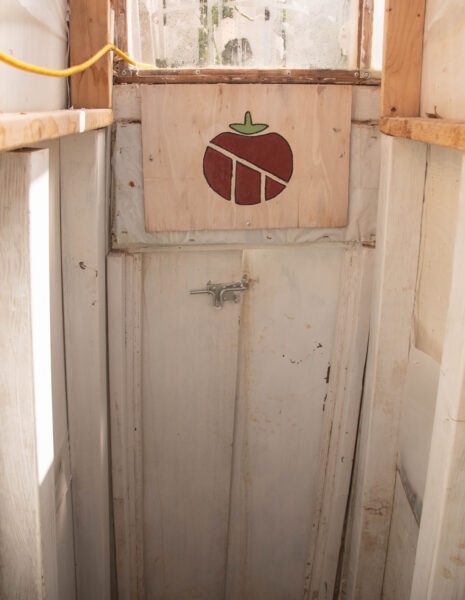
 The entrance to the Walipini Impact Underground Greenhouse on March 17.